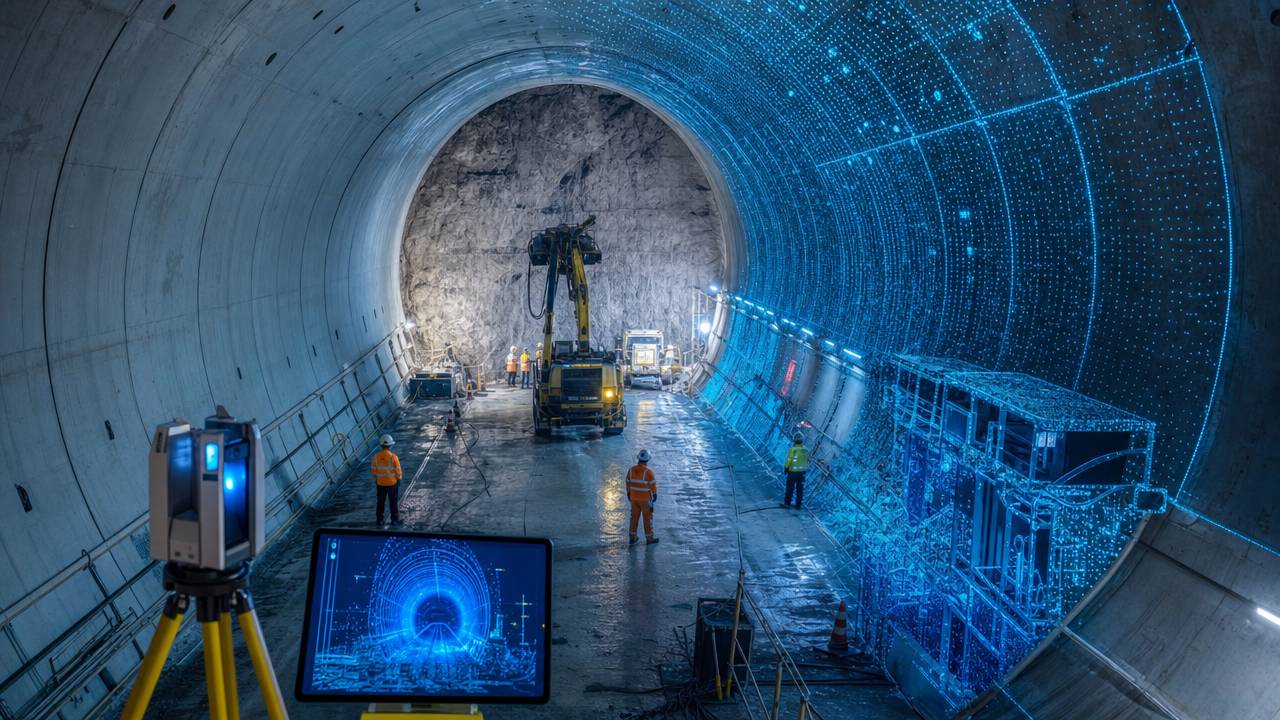
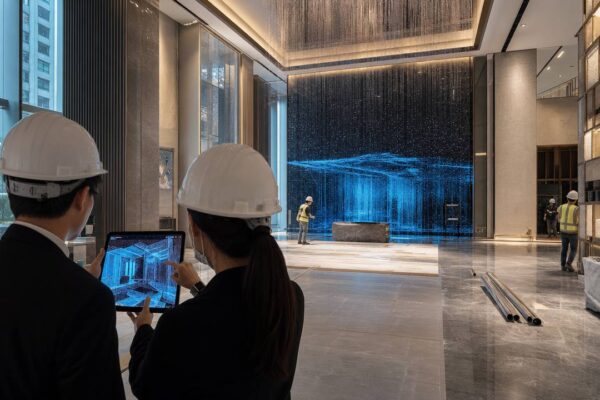
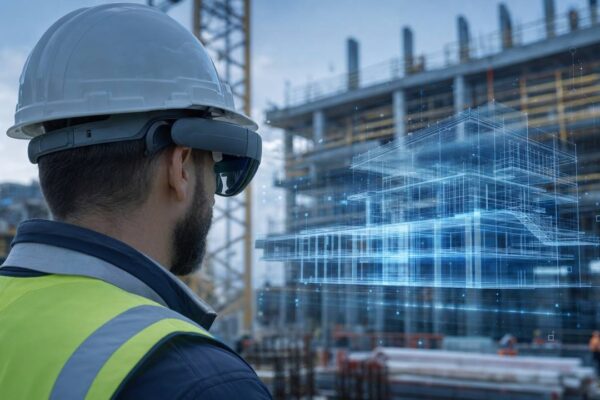
The safe operation of infrastructure such as tunnels, bridges, subways, and highways is crucial to public interest. Traditional deformation monitoring methods often rely on manual inspections and single-point measurements, making it difficult to comprehensively grasp structural change trends. Three-dimensional laser scanning technology provides an efficient and accurate solution for digital tunnel and infrastructure monitoring.
Limitations of traditional monitoring methods
Traditional infrastructure monitoring typically uses equipment such as total stations and levels for single-point or cross-sectional measurements. This approach has the following limitations:
- The limited number of measurement points makes it difficult to fully cover the structural surface.
- Manual measurement is inefficient and cannot achieve high-frequency monitoring.
- Data processing and comparative analysis are time-consuming.
- The safety risks are high during traffic operations.
Advantages of 3D laser scanning
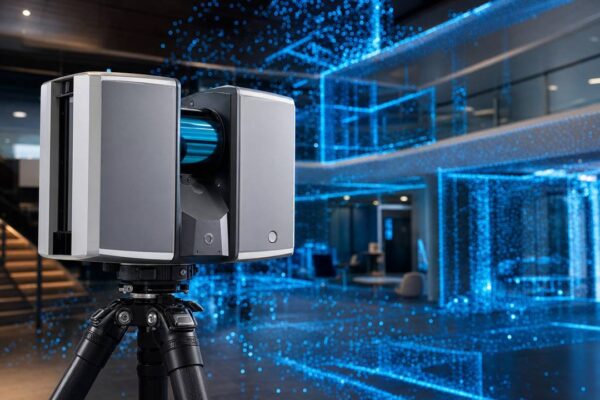
3D laser scanning technology can acquire complete 3D point cloud data of structures such as tunnels and bridges in a short time, and has the following significant advantages:
- Full coverage measurement:Acquire high-density point clouds of structural surfaces without missing any deformed areas.
- High efficiency:Reduce on-site operation time and minimize the impact on traffic operations.
- High precision:Millimeter-level measurement accuracy meets the stringent requirements of deformation monitoring.
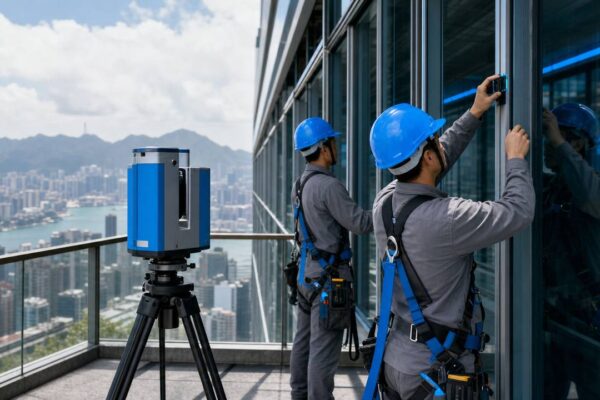
- Non-contact:Reduce the risk of people entering dangerous areas
Multi-period data comparison and deformation analysis
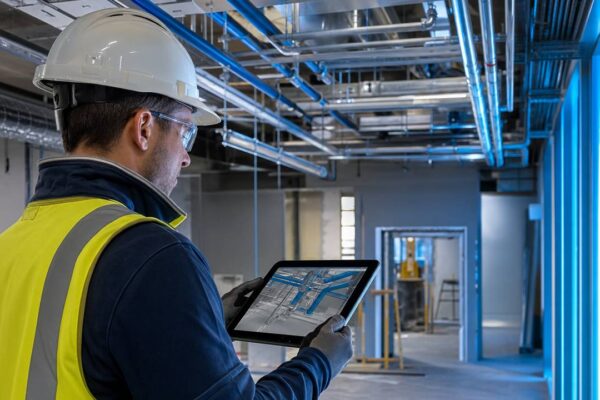
By periodically scanning the same structure, point cloud data acquired at different times can be compared and analyzed to generate key indicators such as cross-sectional changes, settlement trends, and convergence deformation. This multi-period data comparison method can help maintenance departments detect anomalies early and make scientific maintenance decisions.
Digital Tunnel Monitoring Practice
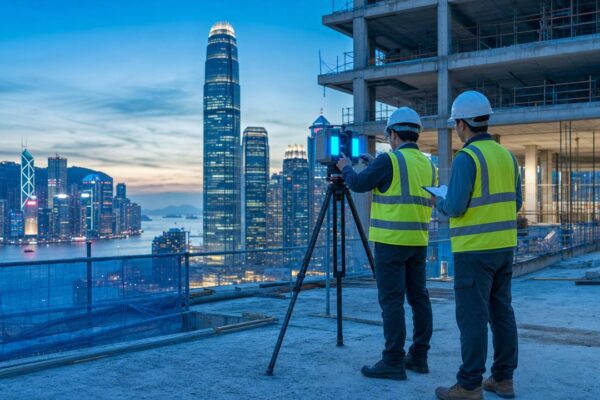
In multiple tunnel and infrastructure projects in Hong Kong and the Asia-Pacific region, VORTEX Technology uses the UCL360 PRO mid-to-long-range scanner for periodic scanning and monitoring. The scanned data is processed by the VORTEX platform and automatically compared with historical data to generate intuitive deformation reports and trend charts.
Future Outlook
With the continuous development of sensor technology, artificial intelligence, and cloud computing, 3D scanning and automated monitoring will be further integrated. In the future, infrastructure monitoring will evolve towards real-time, intelligent, and predictive maintenance, providing stronger technical support for the safe operation of public facilities.
For more information on infrastructure monitoring solutions, please visit [website address].Solution或Contact Us。